PLS #40 - Normes Corps
PLS #40 - Normes Corps
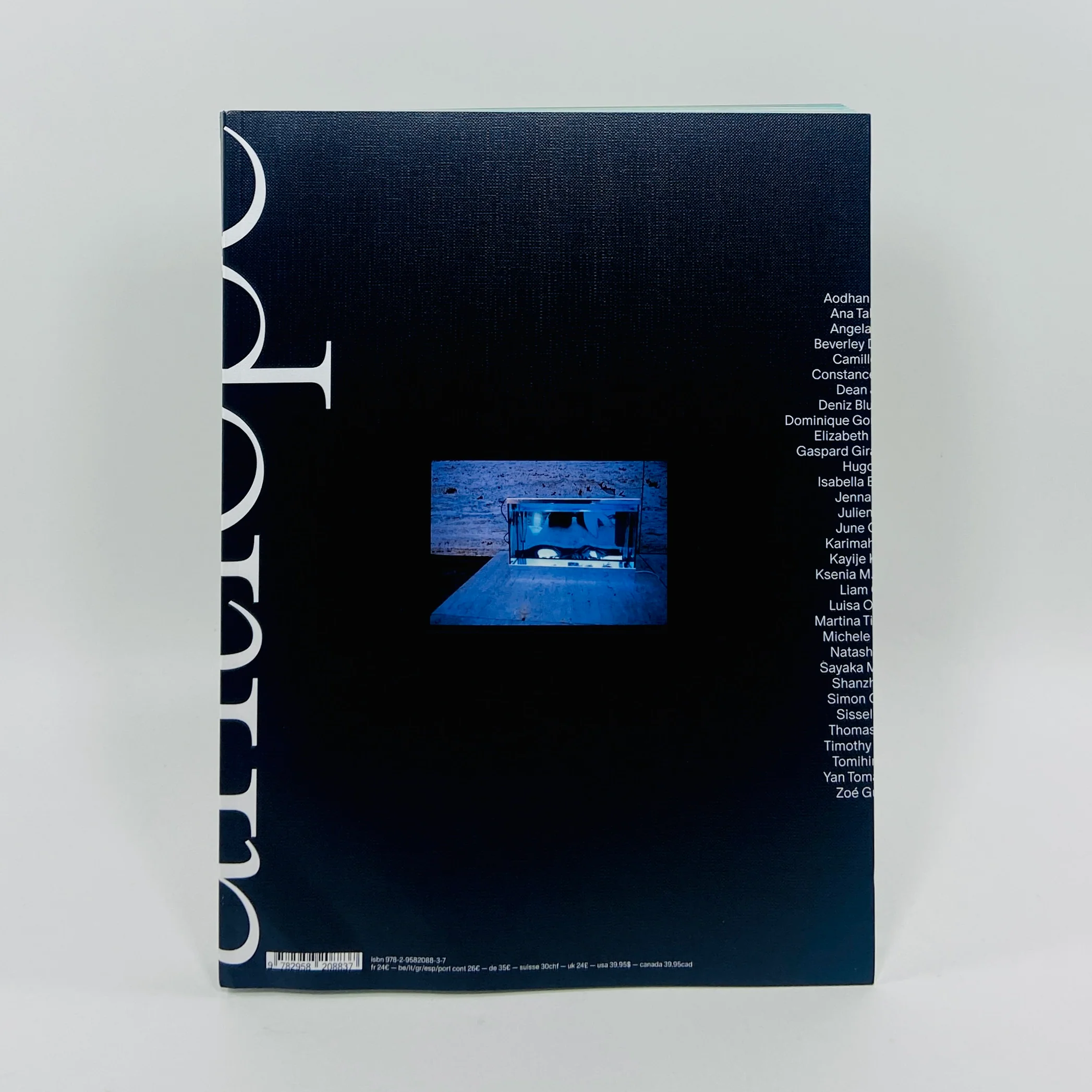
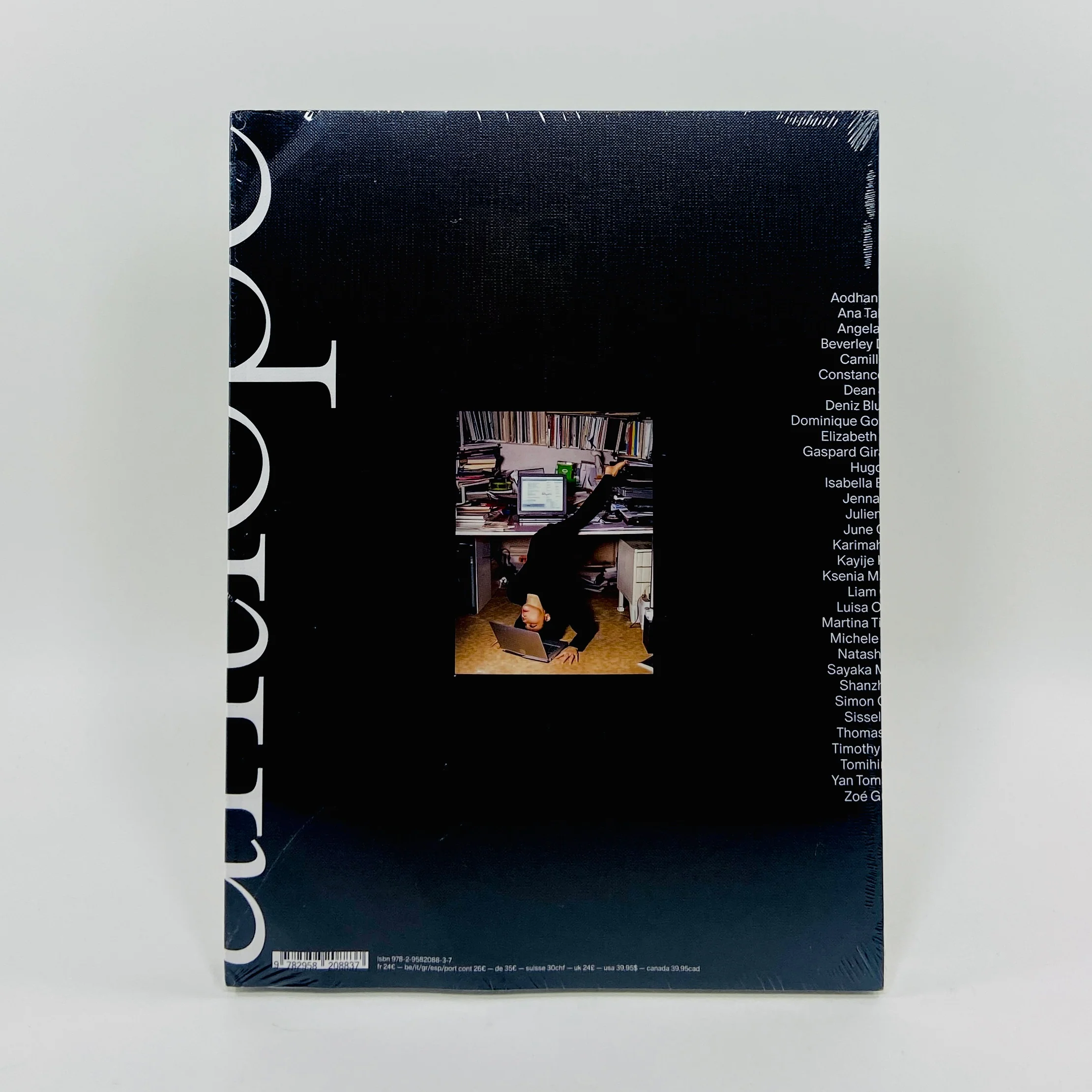
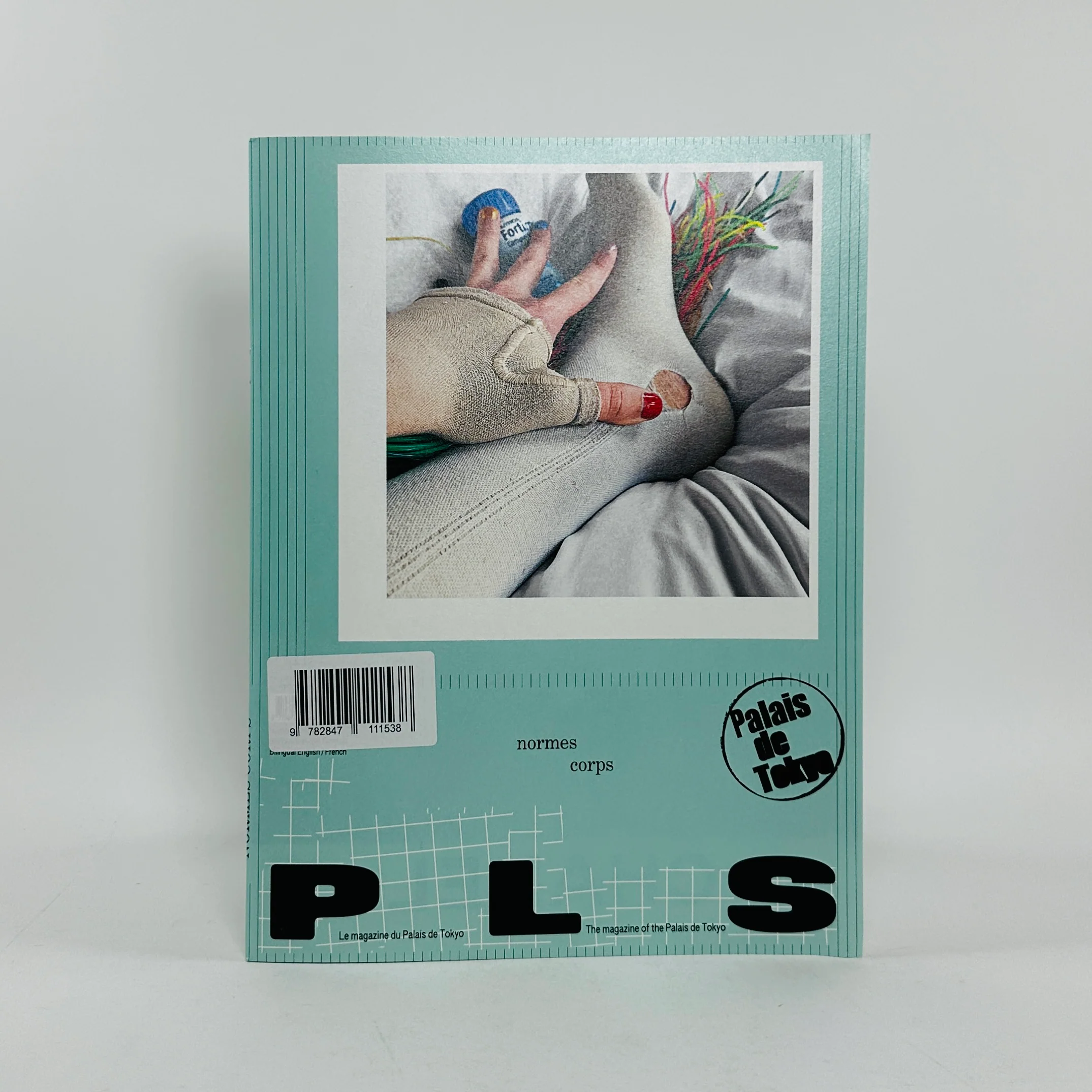
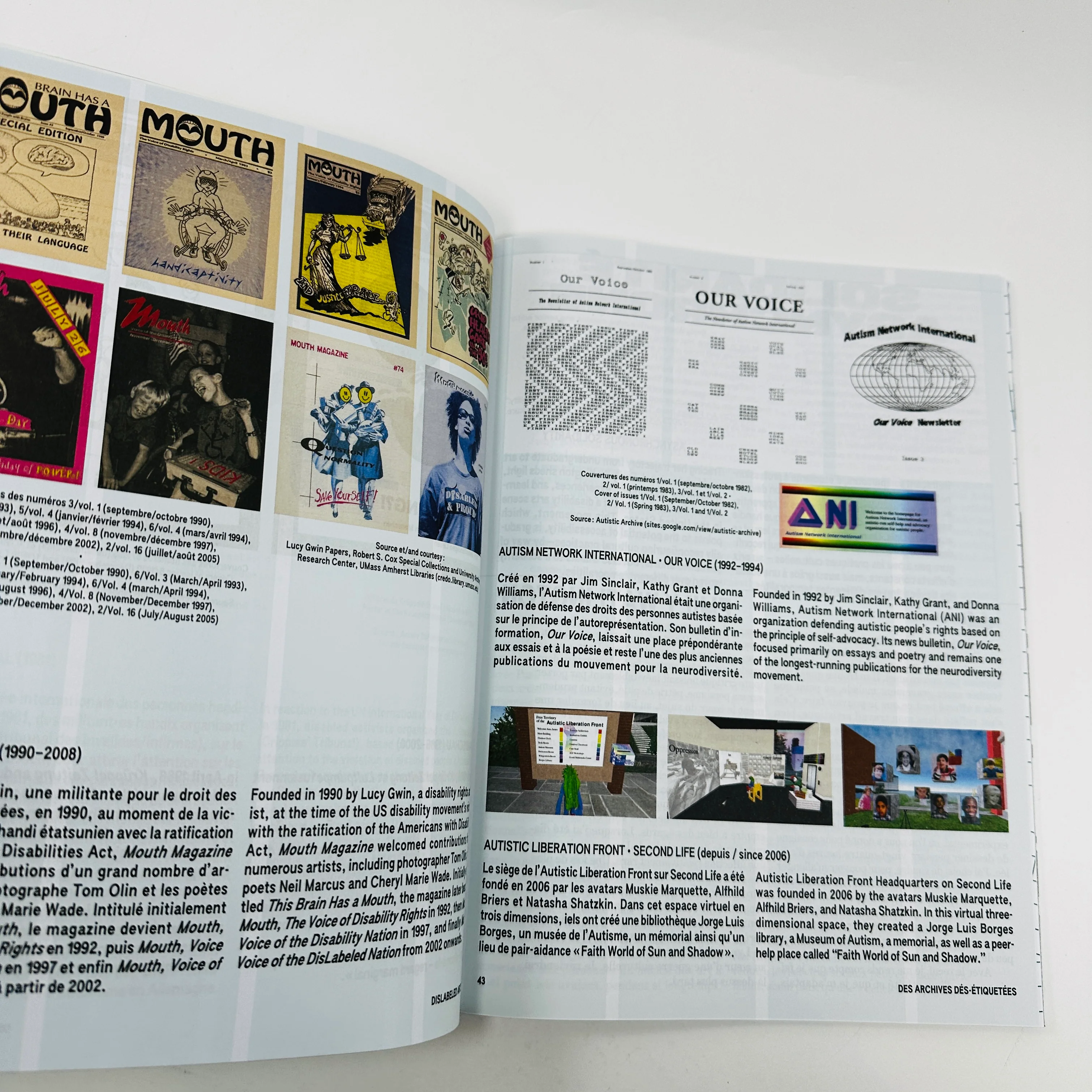
Issue 40 of PLS magazine features a constellation of artists and critical thinkers whose practices are shaped by the lived experiences of disability and issues of accessibility.
From the 1970s to the present day, these perspectives have interrogated the foundations of North American and Western European societies, crystallised around ideals of speed, autonomy, performance, and hyperproductivity. Each contribution exposes the mechanisms of ableism that establish a hierarchy between bodies. Together, they remind us that the supposed able-bodiedness on which this system rests is anything but permanent. From poetry to archival materials, essays to visual artworks, they reclaim a place for bodies and beings that have been historically erased, heavily stigmatised, and that the present continues to push out of futures to come. Problematising the status quo of sociality, disability cultures emerge as a critical force. They open up new perspectives and aesthetics, adapting cultural practices and methods to fit our realities, rather than the other way around. In doing so, they shift norms, push the limits of representation, and imagine futures attuned to the impermanence of bodies, states, and environments.
Product Information
Product Information
Shipping & Returns
Shipping & Returns



PLS #40 - Normes Corps
PLS #40 - Normes Corps
PLS #40 - Normes Corps
Issue 40 of PLS magazine features a constellation of artists and critical thinkers whose practices are shaped by the lived experiences of disability and issues of accessibility.
From the 1970s to the present day, these perspectives have interrogated the foundations of North American and Western European societies, crystallised around ideals of speed, autonomy, performance, and hyperproductivity. Each contribution exposes the mechanisms of ableism that establish a hierarchy between bodies. Together, they remind us that the supposed able-bodiedness on which this system rests is anything but permanent. From poetry to archival materials, essays to visual artworks, they reclaim a place for bodies and beings that have been historically erased, heavily stigmatised, and that the present continues to push out of futures to come. Problematising the status quo of sociality, disability cultures emerge as a critical force. They open up new perspectives and aesthetics, adapting cultural practices and methods to fit our realities, rather than the other way around. In doing so, they shift norms, push the limits of representation, and imagine futures attuned to the impermanence of bodies, states, and environments.
Original: $9.53
-65%$9.53
$3.34Product Information
Product Information
Shipping & Returns
Shipping & Returns
Description
PLS #40 - Normes Corps
Issue 40 of PLS magazine features a constellation of artists and critical thinkers whose practices are shaped by the lived experiences of disability and issues of accessibility.
From the 1970s to the present day, these perspectives have interrogated the foundations of North American and Western European societies, crystallised around ideals of speed, autonomy, performance, and hyperproductivity. Each contribution exposes the mechanisms of ableism that establish a hierarchy between bodies. Together, they remind us that the supposed able-bodiedness on which this system rests is anything but permanent. From poetry to archival materials, essays to visual artworks, they reclaim a place for bodies and beings that have been historically erased, heavily stigmatised, and that the present continues to push out of futures to come. Problematising the status quo of sociality, disability cultures emerge as a critical force. They open up new perspectives and aesthetics, adapting cultural practices and methods to fit our realities, rather than the other way around. In doing so, they shift norms, push the limits of representation, and imagine futures attuned to the impermanence of bodies, states, and environments.