Errant #9 - Companions
Errant #9
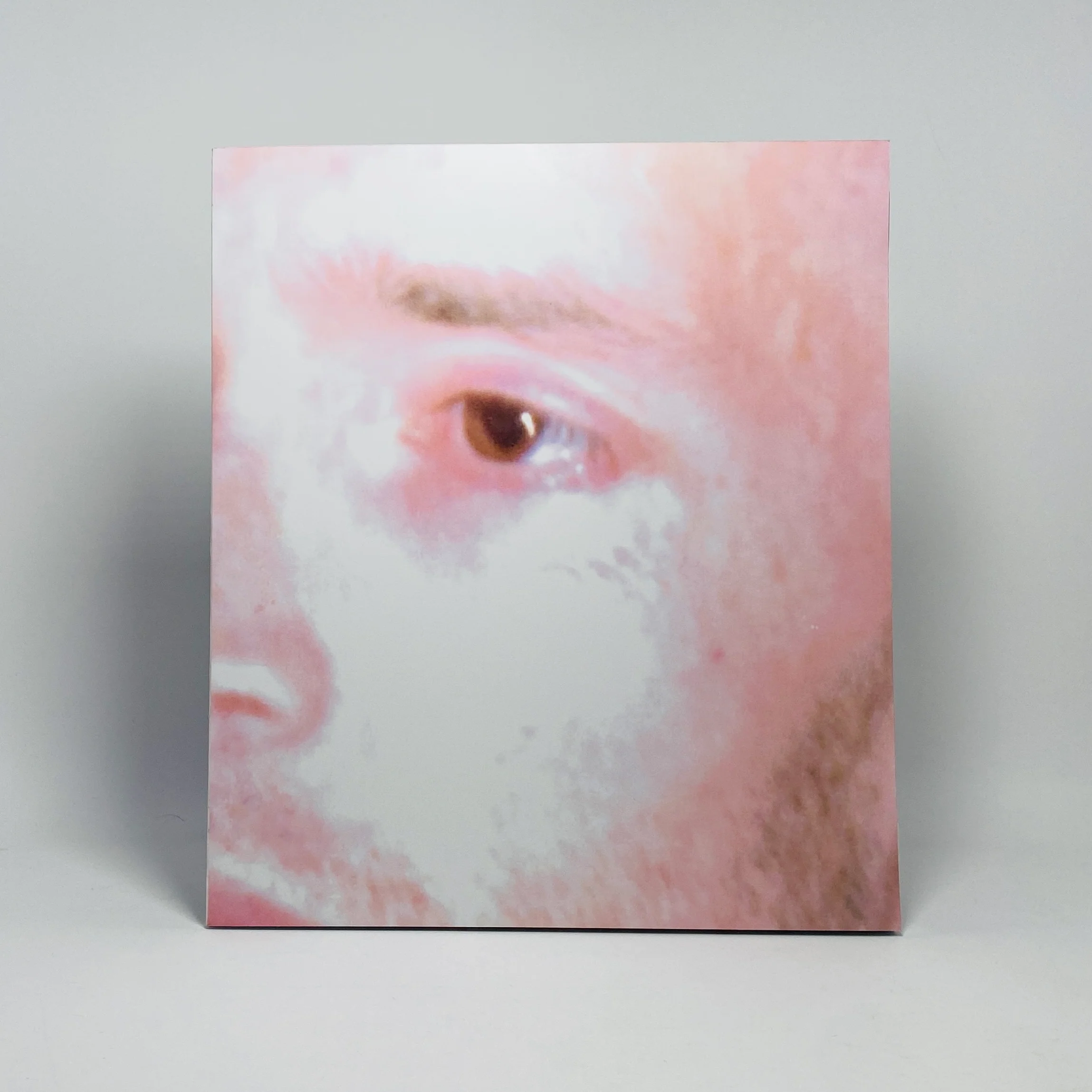
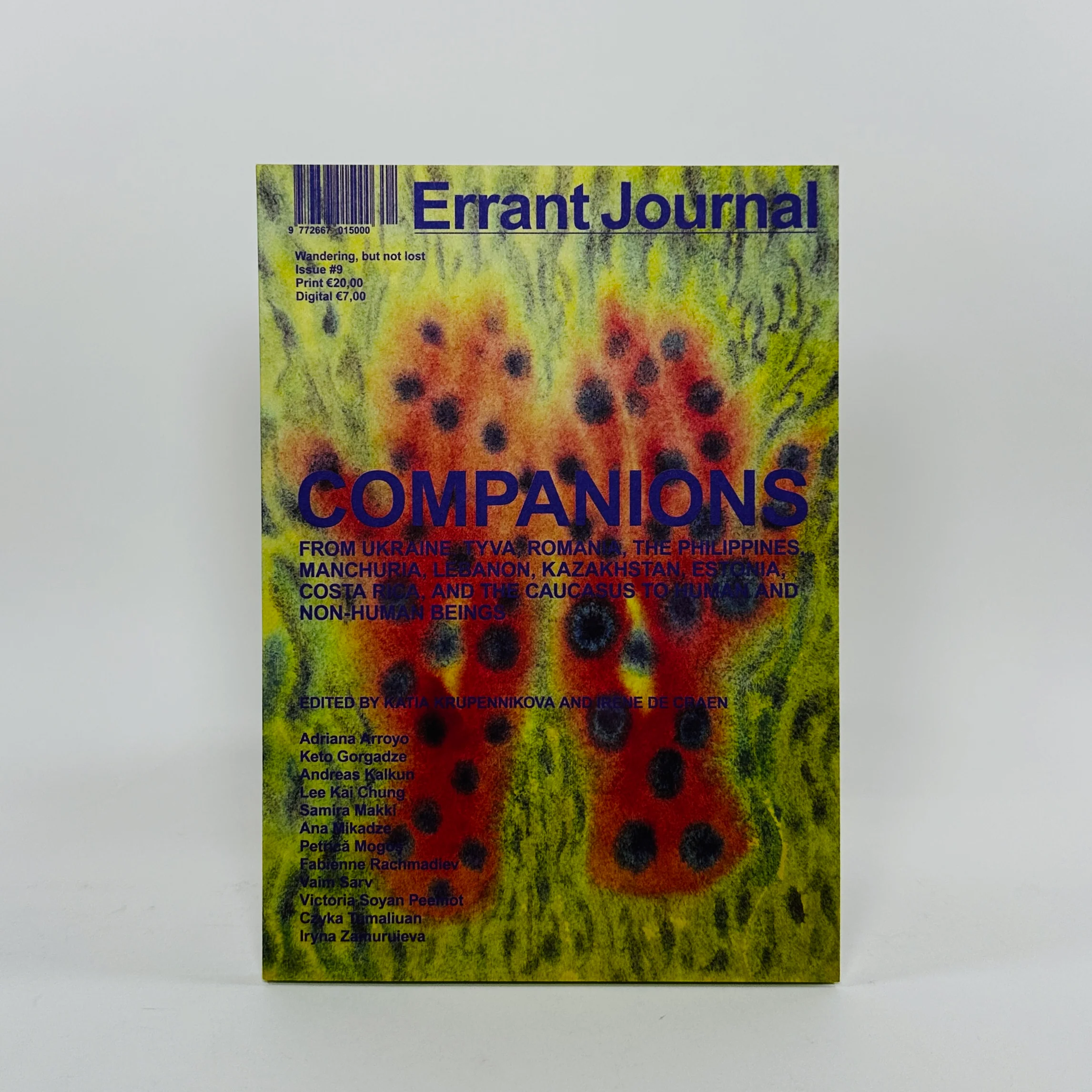
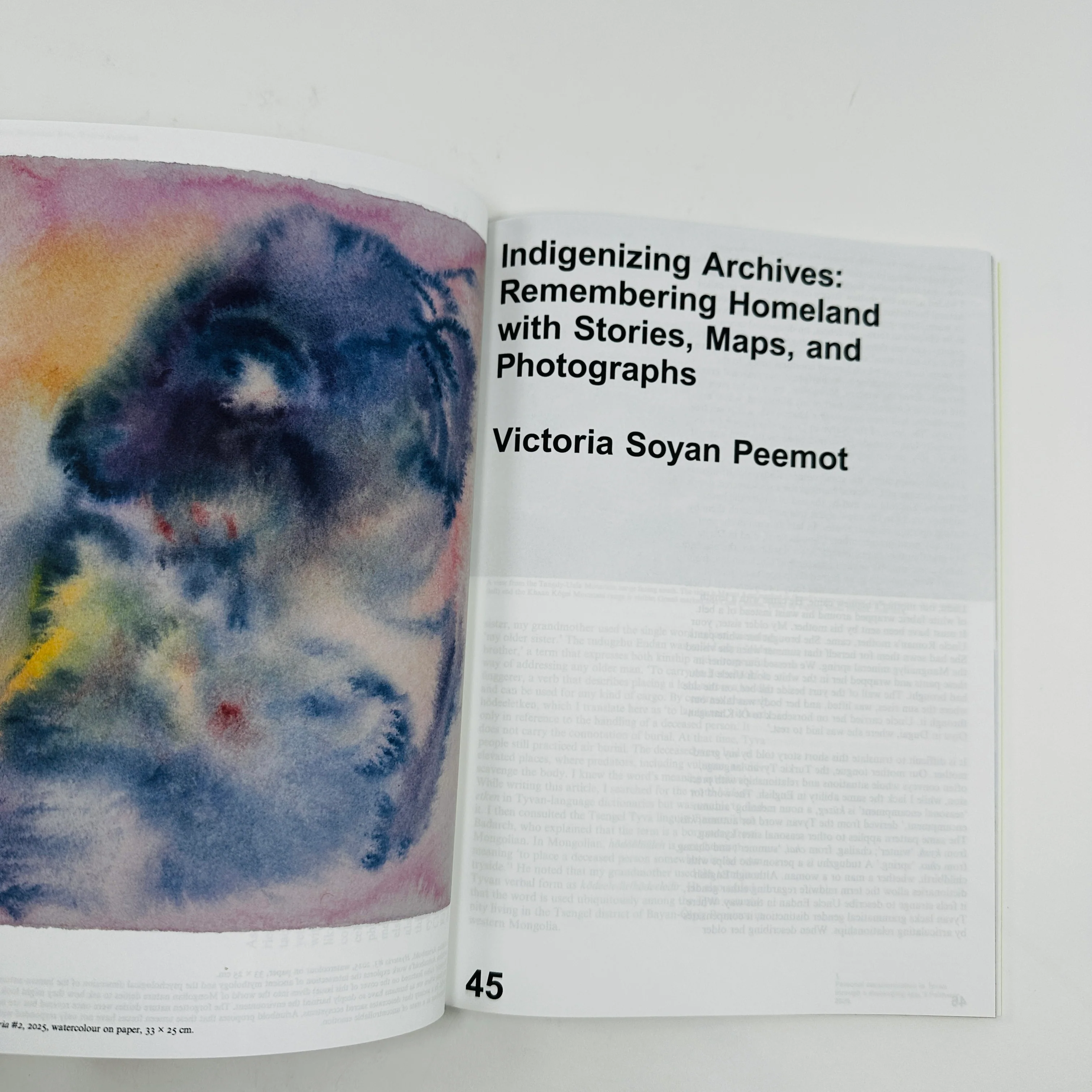
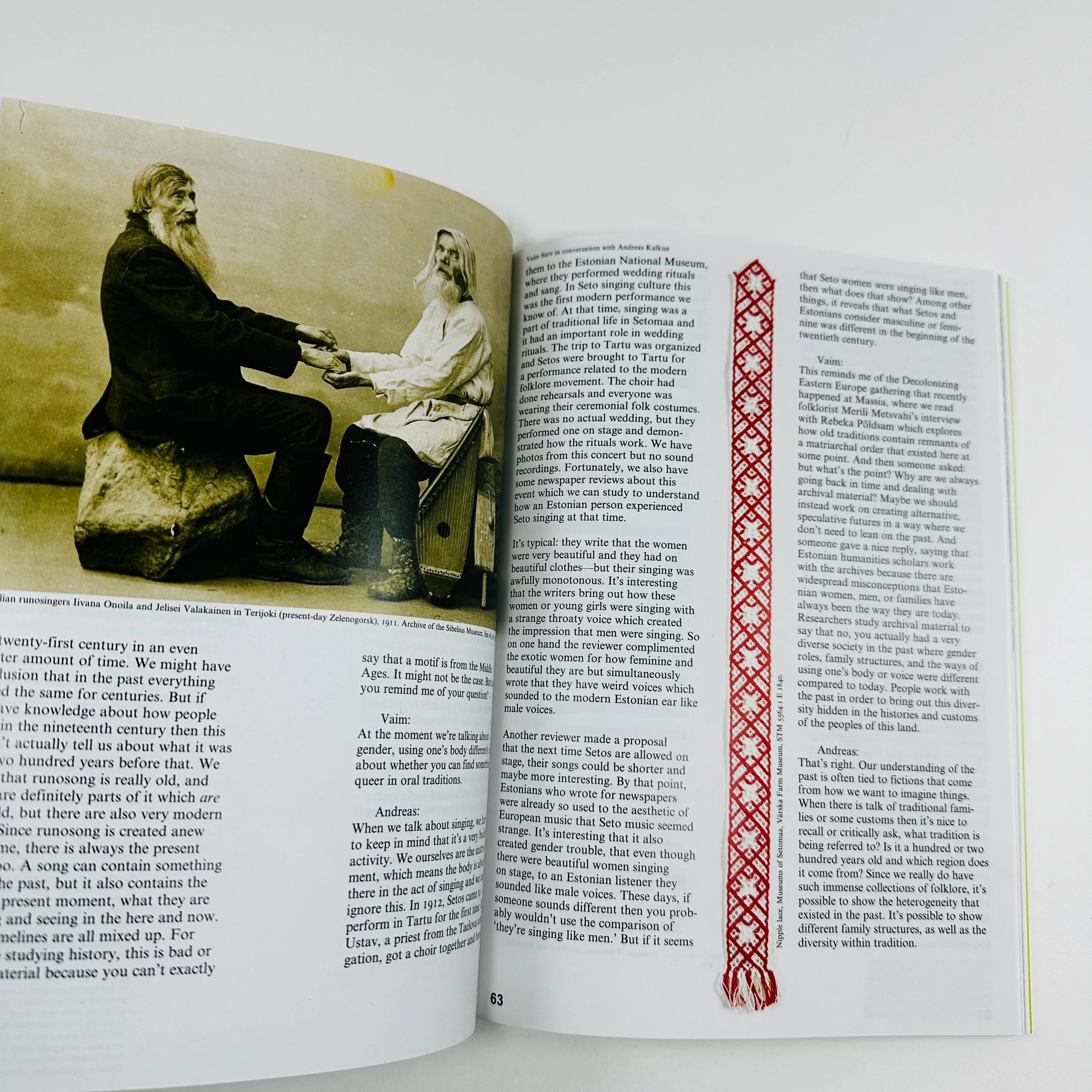
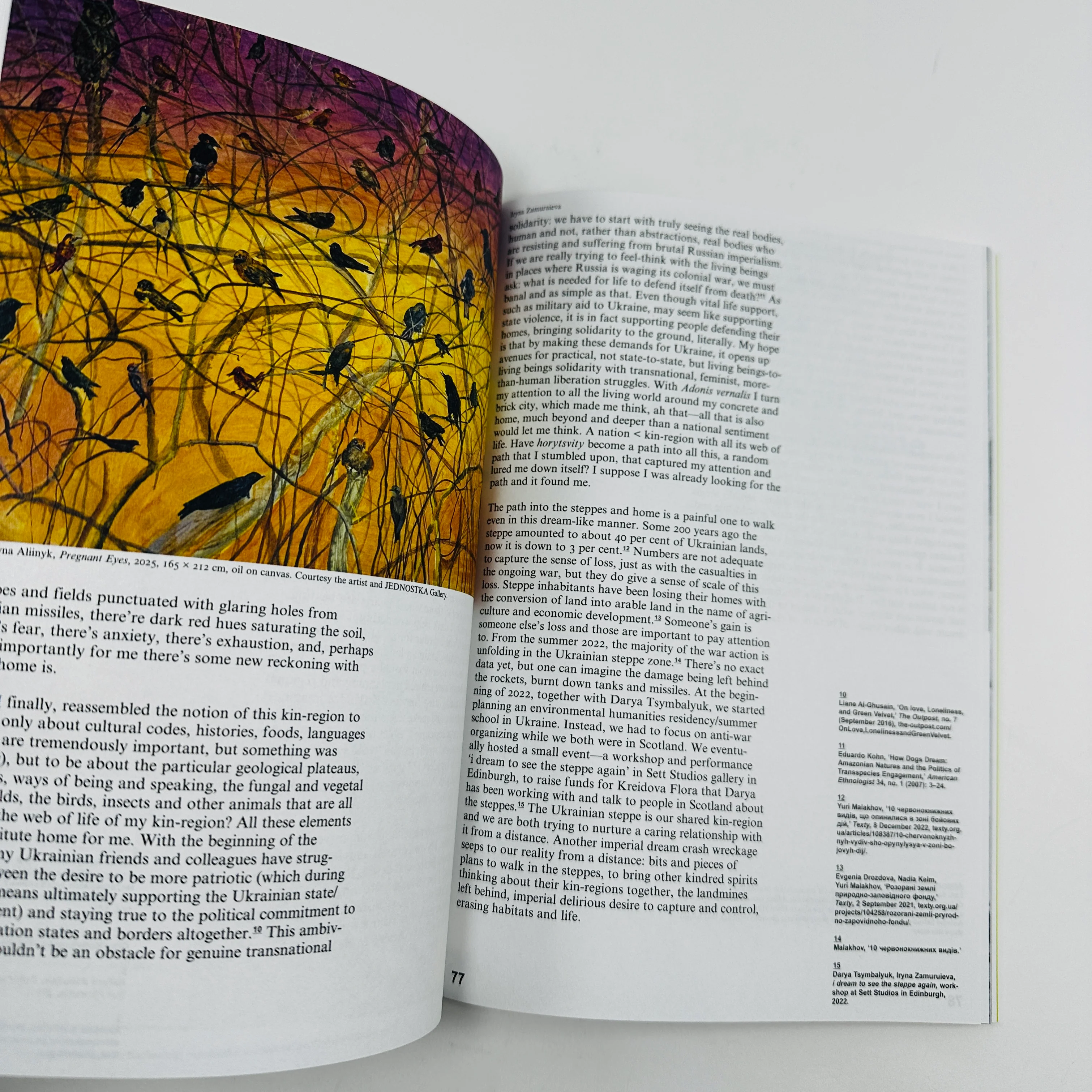
The editorial/imaginative centre of the ninth issue of Errant Journal is located in the regions that have experienced Russian imperial aggression from where it makes connections across times, geographies, and ontologies to explore the radical potential of companionship. Companionship is understood not as agreement, but as a shared responsibility across unequal histories. It means not being full without the other. While forms of imperial and colonial violence might differ in places and through times, the issue recognizes how colonial mechanisms are sustained, how they present themselves as if they were past while shapeshifting and continuing in new forms and places in the present. By bringing these contexts in relation, this issue aims to show how certain borders, biases, clichés, and power structures travel, mutate, and shape both human and non-human lives and landscapes. Ultimately, companionship is about prioritizing life and about insisting that no oppression is singular.
This issue is a concept by and co-edited with Katia Krupennikova.
About Errant:
Errant Journal is a cultural/political publication loosely inspired by Édouard Glissant´s notion of the Poetics of Relation in which he opposes ideas of centers, linearity, roots and dichotomy. Errant, meaning both ‘deviating from an accepted norm’ and ‘wandering’, represents a way of breaking free from the idea of identity based on origin and the possibility to possess a totality of knowledge. It is never the goal to know everything, to see and understand something in its entirety. Instead, a person who is ‘errant’ rejects the universal and challenges the idea that the world is transparent and explainable.
Product Information
Product Information
Shipping & Returns
Shipping & Returns

Errant #9 - Companions
Errant #9 - Companions
Errant #9
The editorial/imaginative centre of the ninth issue of Errant Journal is located in the regions that have experienced Russian imperial aggression from where it makes connections across times, geographies, and ontologies to explore the radical potential of companionship. Companionship is understood not as agreement, but as a shared responsibility across unequal histories. It means not being full without the other. While forms of imperial and colonial violence might differ in places and through times, the issue recognizes how colonial mechanisms are sustained, how they present themselves as if they were past while shapeshifting and continuing in new forms and places in the present. By bringing these contexts in relation, this issue aims to show how certain borders, biases, clichés, and power structures travel, mutate, and shape both human and non-human lives and landscapes. Ultimately, companionship is about prioritizing life and about insisting that no oppression is singular.
This issue is a concept by and co-edited with Katia Krupennikova.
About Errant:
Errant Journal is a cultural/political publication loosely inspired by Édouard Glissant´s notion of the Poetics of Relation in which he opposes ideas of centers, linearity, roots and dichotomy. Errant, meaning both ‘deviating from an accepted norm’ and ‘wandering’, represents a way of breaking free from the idea of identity based on origin and the possibility to possess a totality of knowledge. It is never the goal to know everything, to see and understand something in its entirety. Instead, a person who is ‘errant’ rejects the universal and challenges the idea that the world is transparent and explainable.
Product Information
Product Information
Shipping & Returns
Shipping & Returns
Description
Errant #9
The editorial/imaginative centre of the ninth issue of Errant Journal is located in the regions that have experienced Russian imperial aggression from where it makes connections across times, geographies, and ontologies to explore the radical potential of companionship. Companionship is understood not as agreement, but as a shared responsibility across unequal histories. It means not being full without the other. While forms of imperial and colonial violence might differ in places and through times, the issue recognizes how colonial mechanisms are sustained, how they present themselves as if they were past while shapeshifting and continuing in new forms and places in the present. By bringing these contexts in relation, this issue aims to show how certain borders, biases, clichés, and power structures travel, mutate, and shape both human and non-human lives and landscapes. Ultimately, companionship is about prioritizing life and about insisting that no oppression is singular.
This issue is a concept by and co-edited with Katia Krupennikova.
About Errant:
Errant Journal is a cultural/political publication loosely inspired by Édouard Glissant´s notion of the Poetics of Relation in which he opposes ideas of centers, linearity, roots and dichotomy. Errant, meaning both ‘deviating from an accepted norm’ and ‘wandering’, represents a way of breaking free from the idea of identity based on origin and the possibility to possess a totality of knowledge. It is never the goal to know everything, to see and understand something in its entirety. Instead, a person who is ‘errant’ rejects the universal and challenges the idea that the world is transparent and explainable.